
MDR on person-to-merchant UPI payments above Rs 2,000: Who pays and what changes for you? FAQs answered
TrendsFact Editor
1 min read
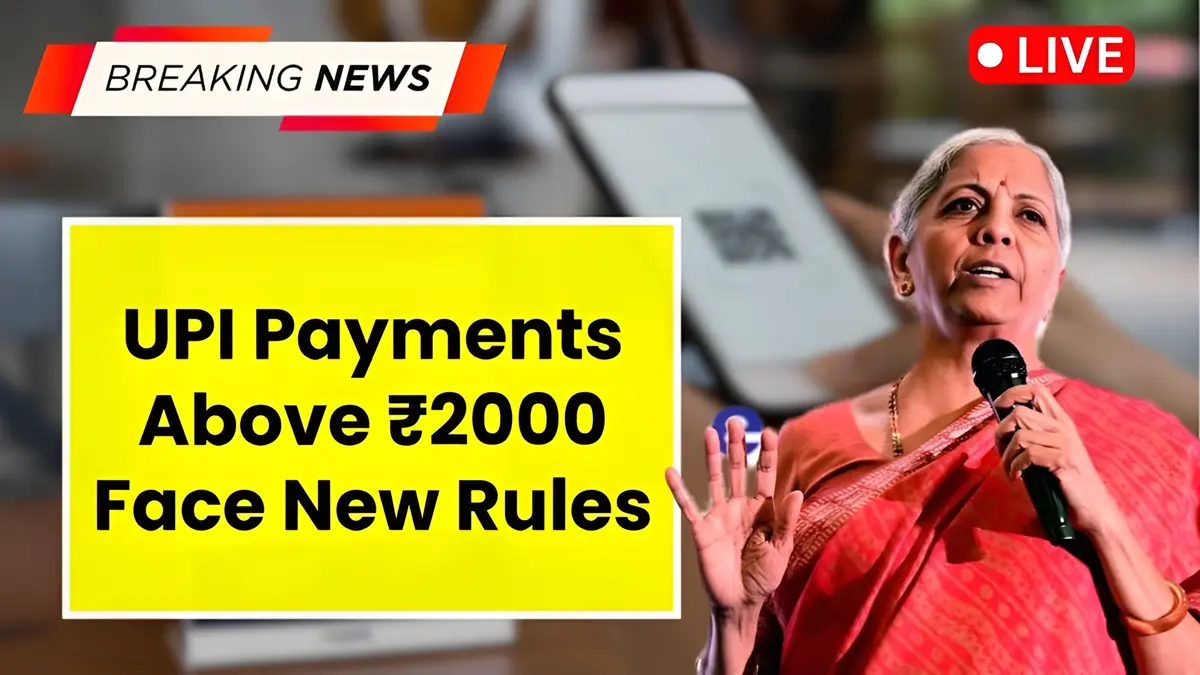
MDR on person‑to‑merchant UPI payments above Rs 2,000: Who pays and what changes for you? FAQs answered
The Reserve Bank of India (RBI) issued a circular on 12 July 2026 announcing a 1.5 % merchant discount rate (MDR) on person‑to‑merchant (P2M) Unified Payments Interface (UPI) transactions that exceed Rs 2,000. The new rule takes effect on 1 August 2026 and applies nationwide, covering payments made through UPI apps, QR codes and linked bank accounts (RBI press release, 12 July 2026).
Under the guidelines, the MDR is to be borne solely by merchants; the RBI explicitly prohibited any pass‑through of the charge to consumers (RBI circular). Small‑ticket merchants—those whose average monthly UPI turnover is below Rs 5 lakh—are exempt from the levy, and transactions below the Rs 2,000 threshold remain free of MDR (NDTV, 14 July 2026). The move aims to offset the cost of maintaining the UPI infrastructure while preserving the low‑cost digital payment ecosystem for end‑users.
Key FAQs:
- Who pays the MDR? Merchants, not customers, absorb the 1.5 % fee.
- When does it apply? Only on P2M UPI payments > Rs 2,000, effective 1 August 2026.
- Are there exemptions? Yes. Transactions ≤ Rs 2,000 and merchants with ≤ Rs 5 lakh monthly UPI volume are exempt.
- Impact on prices? The RBI has warned merchants against shifting the cost to buyers; non‑compliance may attract regulatory action (Reuters, 15 July 2026).
- How will merchants be billed? Banks will deduct the MDR automatically from the merchant’s settlement amount and remit the net to the merchant’s account.
Industry bodies, including the Confederation of Indian Industry, have urged the RBI to review the rate, arguing that a 1.5 % charge could deter small retailers from adopting digital payments (BBC Business, 16 July 2026). The RBI, however, maintains that the policy balances sustainability of the UPI network with consumer protection.


